
The 2025 Middle East Indoor Farming Report
A new region-wide analysis of controlled-environment agriculture (High-Tech Greenhouses & Vertical Farming) across the GCC and wider Middle East—covering market size, investment patterns, policy drivers, barriers, and practical case studies—is now published.
What’s Inside the 2025 Middle East Indoor Farming Report?
The 2025 Middle East Indoor Farming Market Report delivers in-depth insights into the evolving landscape of controlled environment agriculture (CEA) across the region. Drawing from extensive interviews, regional market data, and case studies, this report provides a comprehensive view of:
- Executive summary & methodology — TAM–SAM–SOM framework tailored to regional income and import dynamics.
- Regional breakdowns — GCC, Egypt, Turkey, Levant, plus snapshots of key policy and market structures.
- Market sizing — Grower vs. solution-provider values; greenhouse vs. vertical splits; 2025 baselines and 2025–2030 themes.
- Drivers & headwinds — Food-security mandates, localization of genetics/energy–water systems, AI/automation adoption; energy tariffs, skills shortages, non-harmonized inputs regulation.
- Investment & activity patterns (2025 YTD) — Facility-led capex, JVs/MoUs, and robotics/AI moving from pilots to operations.
- Case studies — Large-scale vertical operations and indoor fruiting-crop systems (design, operations, energy/water, route-to-market).
- Country outlooks — Practical considerations for commercialization, workforce development, and regulatory streamlining.
Why The Middle East Indoor Farming Report Matters
Whether you are a grower, investor, policymaker, or supplier, the 2025 Middle East Indoor Farming Market Report is your guide to:
- Navigating macroeconomic pressures affecting indoor agriculture across the Middle East
- Aligning strategies with the most relevant regional Indoor Farming Trends
- Understanding how Vertical Farming Developments are influencing food security and reshaping supply chains in the region
- Tracking innovations in sustainable and hybrid Greenhouse Systems designed for arid and water-scarce environments

Who Should Download It?
The 2025 Middle East Indoor Farming Market Report is essential reading for:
- Operators of vertical farms and high-tech greenhouses across the Middle East
- Investors and analysts monitoring high-growth AgTech opportunities in the region
- Policymakers and food security authorities shaping national agricultural strategies
- Researchers and academics studying climate-adaptive systems in arid and semi-arid environments
- AgTech solution providers and startups seeking to expand into Middle Eastern markets
For those aiming to benchmark strategies, identify high-potential markets, or understand the trajectory of the regional industry, this is the definitive resource on Indoor Farming Trends, Vertical Farming Developments, and Greenhouse Innovations in 2025.
Case Study On Growing Fruiting Crops In Vertical Farming In The GCC
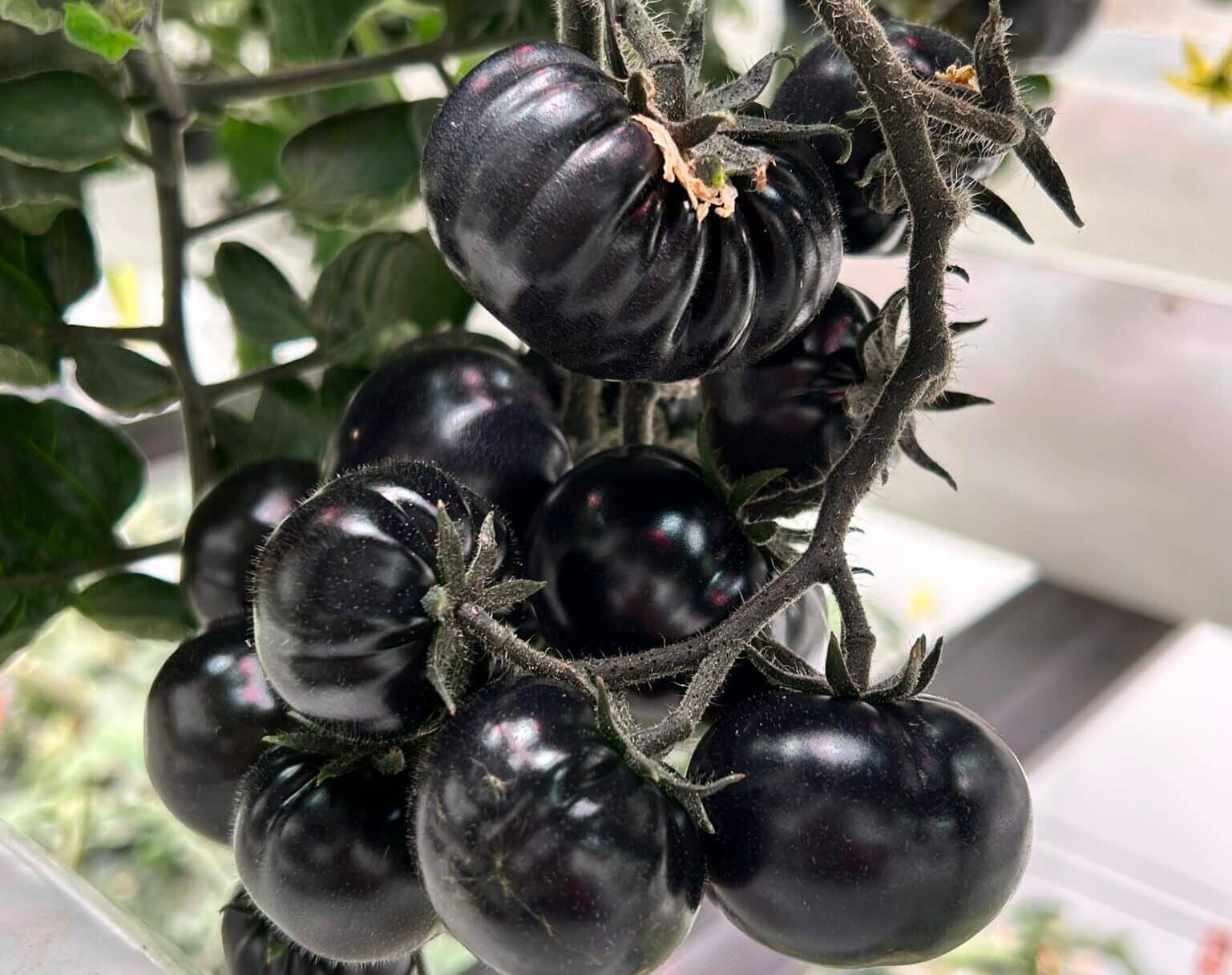
This year’s report features an exclusive case study on Grow-tec’s solution for cultivating fruiting crops in vertical farming environments, offering insights into the company’s approach to system integration, precision climate management, and data-driven crop optimization. The study highlights how modular automation frameworks can make advanced indoor fruit production feasible in arid regions like the Gulf.
Built by Industry Insiders
This report is authored and curated by:
Sepehr A. Achard – Co-Founder & COO of AgTech Media Group and host of the Vertical Farming Podcast
Thea-Isabella Otto – Managing Editor of The Indoor Farmer and lead researcher for Europe and the Middle East
All insights are grounded in primary research and verified data. Our sources include:
- iGrow News’ proprietary industry database
- Statista, World Bank, and agricultural trade data
- Local agricultural and regulatory agencies
- Interviews with growers, policymakers, and tech providers
- Partner reports from industry associations and CEA institutions