
Key Takeaways
- World Agri-Tech Dubai convened policymakers, investors, corporates, researchers, and startups from MENA, Africa, and global markets.
- Food security, climate resilience, and regional collaboration were central themes across the two-day agenda.
- Regenerative agriculture featured prominently as a scalable pathway across arid regions.
- Controlled environment agriculture and vertical farming were discussed in light of recent industry developments.
- While smaller than the San Francisco flagship, World Agri-Tech Dubai provided a focused overview of regional AgTech ambitions.
World Agri-Tech Dubai: A Regional Perspective on Food Security and Climate Resilience
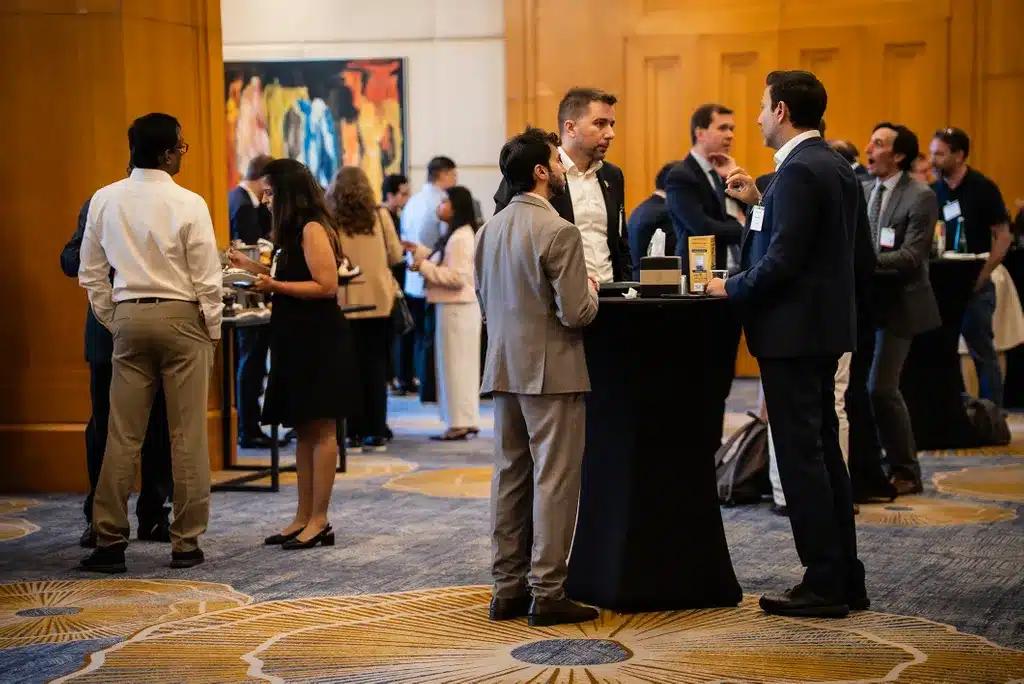
World Agri-Tech Dubai brought together stakeholders from across the Middle East, Africa, and the global AgTech ecosystem to examine how climate change, water scarcity, and supply-chain volatility are reshaping food systems in arid and semi-arid regions.
Across two days of programming, sessions explored national food security strategies, regional collaboration frameworks, and the role of innovation in building resilient agri-food systems. Speakers consistently emphasized the need for context-specific solutions rather than replicating models developed in temperate or capital-abundant markets.
Innovation Zones, Vertical Farming, and Regenerative Approaches
One of the notable highlights was the session featuring Dr. Shamal Abdulkhaliq Mohammed, CEO of Silal’s Innovation Oasis, which focused on the role of agri-innovation zones in accelerating commercialization, supporting startups, and aligning public-private collaboration across the region.
The vertical farming panel drew particular attention, especially in the context of recent developments within the global vertical farming industry. Chaired by Jesper Hansen, Chief Commercial Officer at YesHealth Group, the session featured perspectives from Fadi Sbaiti, VP & General Manager at the Khalifa Center for Genetic Engineering & Biotechnology, Sherif Hosny, CEO of Mishkat Agritech Farms, Tisha Livingstone, President of 80 Acres Farms, and Modar Hisham Nazer, Co-Founder of Mowreq Specialised Agriculture. Panelists addressed commercial viability in desert climates, energy and water efficiency, crop diversification beyond leafy greens, and the importance of region-specific system design rather than importing capital-intensive approaches from other markets.
A strong, recurring theme throughout World Agri-Tech Dubai was the emphasis on regenerative agriculture across MENA and Africa. Sessions highlighted soil health, agroecology, water-smart practices, and nature-based solutions as both environmental necessities and economically viable pathways aligned with food security and resilience goals.
Capital, Policy, and the Path to Scale
Several sessions focused on the financing mechanisms, blended capital models, and policy frameworks required to scale AgTech solutions in emerging markets. Investors and development institutions discussed the shift toward B2B, value-chain-oriented, and climate-smart business models, while policymakers outlined regulatory reforms needed to support long-term private investment.
Technology-focused discussions explored the role of AI, precision agriculture, agri-fintech, and digital platforms in improving productivity, reducing resource use, and supporting smallholder inclusion, particularly in data-constrained environments.
World Agri-Tech Dubai's Focused Snapshot of Regional AgTech Ambitions
While World Agri-Tech Dubai is more compact in scale than the San Francisco flagship event, it provided a concentrated and informative overview of the region’s AgTech development trajectory and strategic priorities.
The agenda featured senior leaders from government bodies, corporates, research institutions, investors, and startups, representing not only the Middle East and Africa, but also Europe, North America, and Asia. Collectively, the discussions underscored the region’s ambition to position itself as a global hub for climate-resilient agriculture, combining local expertise in arid farming with international capital, partnerships, and innovation.

