Key Takeaways
- Saudi Arabia continues to expand high-tech agriculture through Vision 2030 and multi-ministry food security programs.
- Partnerships with Dutch greenhouse and technology providers total USD 114M in new MoUs.
- Large-scale indoor farming projects, including vertical farms and advanced greenhouse systems, are progressing across Saudi Arabia.
- Energy reforms, regulatory complexity, and a shortage of technical specialists remain key growth challenges.
- The GCC’s affordability-adjusted indoor farming market stands at USD 0.39B, with Saudi Arabia playing a central role in regional expansion.
A Decade of Momentum Toward AgTech In Saudi Arabia
Saudi Arabia’s AgTech landscape has evolved significantly since your 2023 analysis, with Vision 2030 continuing to drive modernization across the country’s agricultural sector. Food security remains a national priority, supported by robust government-led programs and substantial investment into technology-driven production systems.
Historical lessons—such as the water-intensive wheat self-sufficiency push of the 1980s—continue to influence current policy, reinforcing the need for climate-adapted, resource-efficient agriculture.
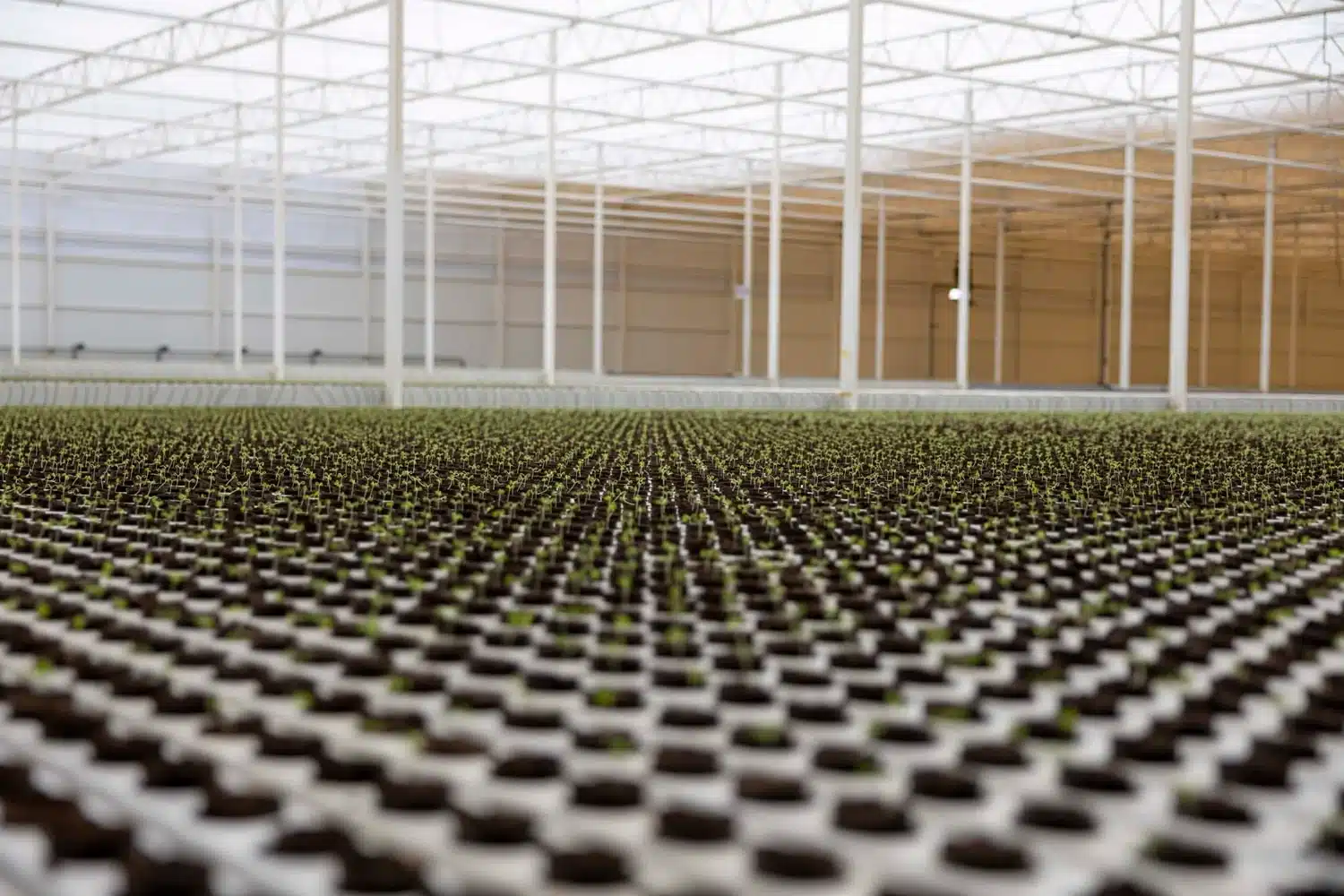
Today, Saudi Arabia is focusing on controlled-environment agriculture (CEA), high-tech greenhouses, and vertical farming as it aims to reduce reliance on imports while ensuring long-term sustainability.
Major Partnerships and Projects Reshaping the Sector
2025 has been defined by a series of high-impact collaborations that position Saudi Arabia as a regional AgTech hub. Notable developments include:
- Saudi Arabia–Netherlands MoUs worth USD 114M, signed with partners such as Dutch Greenhouse Delta, Hoogendoorn, Certhon, Van der Hoeven, and Wageningen University & Research. These agreements aim to strengthen greenhouse construction, genetics R&D, and technology transfer.
- Mowreq and YesHealth Group’s 20,000 sqm vertical farming project, one of the Kingdom’s most significant milestones in indoor leafy greens production.
- Expanded initiatives through national funds and institutional programs supporting smart agriculture and infrastructure modernization.
These partnerships reflect a strategic shift toward integrating international expertise with local market needs, accelerating the pace of commercialization.
Market Dynamics and Growth Outlook For AgTech In Saudi Arabia
Within the GCC, the affordability-adjusted indoor farming market (SOM) is valued at USD 0.39B, with vertical farming representing approximately 15% of this segment. Saudi Arabia accounts for a substantial share of this value due to its scale, strong policy momentum, and investment capacity.
The Kingdom is also prioritizing energy-water optimization, automation, and desert-adapted crop genetics—areas where technology providers see long-term opportunity.
Challenges That Continue to Shape AgTech In Saudi Arabia
Despite rapid sectoral progress, several challenges persist:
- Energy pricing reforms affecting industrial and greenhouse operations.
- Shortages of skilled labor, particularly in hydroponics, automation, and climate control.
- Fragmented regulatory processes for seeds, biologicals, and fertilizers.
- Consumer price sensitivity, which limits mass-market adoption of indoor-grown produce.
Addressing these constraints will shape the trajectory of the sector between now and 2030.
A Strategic Role in the Middle East’s AgTech Future
Saudi Arabia is consolidating its position as one of the Middle East’s most active AgTech markets. With strong government backing, international partnerships, and high-tech expansions underway, the country is transitioning from early pilots to scalable models that can support its long-term food security goals.
As regional collaboration deepens, Saudi Arabia’s advancements in greenhouses, vertical farming, and automation will continue to influence AgTech innovation across the broader GCC and Middle East.
Download the Full Middle East Indoor Farming Report
Get the complete market analysis and regional data here.
Access Live, Updated AgTech Intelligence
Track funding, partnerships, expansions, regulations, and more through the real-time dashboard.

